

 Español
 Português
 لالعربية
 Русский
 Bahasa Indonesia
 Français
 Türkçe
 Bahasa Melayu

MGTSV Armored Mining Fiber Optic Cable – Flame-Retardant PSP Steel Tape Armor
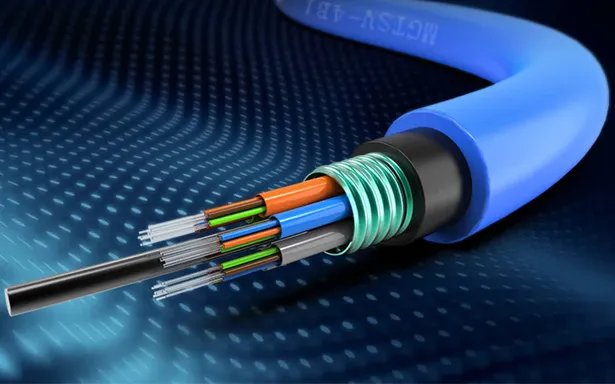
Good mechanical and temperature properties.
Loose tube material has water resistance and high strength.
The special ointment in the tube provides critical protection for the optical fiber.
Good pressure resistance.
Two parallel steel wires ensure the tensile strength of the cable.
Double-sided plastic-coated steel strip (PSP) enhances moisture resistance and has anti-mouse function.
The water blocking material prevents water seepage in the longitudinal direction of the cable.
Using blue flame retardant PVC secondary sheath, flame retardant effect is good.
What is MGTSV Fiber Optic Cable?
MGTSV is a flame-retardant loose tube optical cable primarily used in coal mines. Its design places 250 μm optical fibers into high-modulus loose tubes filled with waterproof compound, which are then stranded around a central metal strength member. The cable core is filled with water-blocking material, wrapped with double-sided plastic-coated steel strip (PSP), and finished with an inner and outer polyethylene sheath. It complies with the MT386‑1995 flame retardancy standard for coal mine cables.
MGTSV fiber optic cable Specification
- Specification
- Product Technical Parameters
- OPTICAL CHARACTERISTICS
optical properties
| G.652 | G.655 | 50/125μm | 62.5/125μm | ||
|---|---|---|---|---|---|
| Attenuation (+ 20 ℃) | @850nm | ≤3.0dB/km | ≤3.0dB/km | ||
| @1300nm | ≤1.0dB/km | ≤1.0dB/km | |||
| @1310nm | ≤0.36dB/km | ||||
| @1550nm | ≤0.22dB/km | ≤0.23dB/km | |||
| Bandwidth (Class A) | @850 | ≥500MHZ·km | ≥500MHZ·km | ||
| @1300 | ≥1000MHZ·km | ≥600MHZ·km | |||
| numerical aperture | 0.200±0.015NA | 0.275±0.015NA | |||
| Cable cutoff wavelength | ≤1260nm | ≤1480nm | |||
structural parameters
| Cable Type | Fiber Count | Tubes Fills | diameter (mm) | weight (Kg/km) | Allowable tensile force (N) Long-term/ short-term | Allowable crushing force (N/100m) Long-term/ short-term | Bending radius (mm) Static/Dynamic |
|---|---|---|---|---|---|---|---|
| MGTSV-2~60 | 2~60 | 5 | 12.2 | 156 | 1000/2000 | 500/1500 | 15D/30D |
| MGTSV-62~72 | 62~72 | 6 | 13.8 | 210 | 1750/3500 | 500/1500 | 15D/30D |
| MGTSV-74~96 | 74~96 | 8 | 15.1 | 242 | 1750/3500 | 500/1500 | 15D/30D |
| MGTSV-98~120 | 98~120 | 10 | 17.2 | 280 | 1750/3500 | 500/1500 | 15D/30D |
| MGTSV-122~144 | 122~144 | 12 | 19.0 | 320 | 1750/3500 | 500/1500 | 15D/30D |
| MGTSV-146~216 | 146~216 | 18 | 19.0 | 320 | 1750/3500 | 500/1500 | 15D/30D |
optical properties
| G.652 | G.655 | 50/125μm | 62.5/125μm | ||
|---|---|---|---|---|---|
| Attenuation (+ 20 ℃) | @850nm | ≤3.0dB/km | ≤3.0dB/km | ||
| @1300nm | ≤1.0dB/km | ≤1.0dB/km | |||
| @1310nm | ≤0.36dB/km | ||||
| @1550nm | ≤0.22dB/km | ≤0.23dB/km | |||
| Bandwidth (Class A) | @850 | ≥500MHZ·km | ≥500MHZ·km | ||
| @1300 | ≥1000MHZ·km | ≥600MHZ·km | |||
| numerical aperture | 0.200±0.015NA | 0.275±0.015NA | |||
| Cable cutoff wavelength | ≤1260nm | ≤1480nm | |||
structural parameters
| Cable Type | Fiber Count | Tubes Fills | diameter (mm) | weight (Kg/km) | Allowable tensile force (N) Long-term/ short-term | Allowable crushing force (N/100m) Long-term/ short-term | Bending radius (mm) Static/Dynamic |
|---|---|---|---|---|---|---|---|
| MGTSV-2~60 | 2~60 | 5 | 12.2 | 156 | 1000/2000 | 500/1500 | 15D/30D |
| MGTSV-62~72 | 62~72 | 6 | 13.8 | 210 | 1750/3500 | 500/1500 | 15D/30D |
| MGTSV-74~96 | 74~96 | 8 | 15.1 | 242 | 1750/3500 | 500/1500 | 15D/30D |
| MGTSV-98~120 | 98~120 | 10 | 17.2 | 280 | 1750/3500 | 500/1500 | 15D/30D |
| MGTSV-122~144 | 122~144 | 12 | 19.0 | 320 | 1750/3500 | 500/1500 | 15D/30D |
| MGTSV-146~216 | 146~216 | 18 | 19.0 | 320 | 1750/3500 | 500/1500 | 15D/30D |
optical properties
| G.652 | G.655 | 50/125μm | 62.5/125μm | ||
|---|---|---|---|---|---|
| Attenuation (+ 20 ℃) | @850nm | ≤3.0dB/km | ≤3.0dB/km | ||
| @1300nm | ≤1.0dB/km | ≤1.0dB/km | |||
| @1310nm | ≤0.36dB/km | ||||
| @1550nm | ≤0.22dB/km | ≤0.23dB/km | |||
| Bandwidth (Class A) | @850 | ≥500MHZ·km | ≥500MHZ·km | ||
| @1300 | ≥1000MHZ·km | ≥600MHZ·km | |||
| numerical aperture | 0.200±0.015NA | 0.275±0.015NA | |||
| Cable cutoff wavelength | ≤1260nm | ≤1480nm | |||
structural parameters
| Cable Type | Fiber Count | Tubes Fills | diameter (mm) | weight (Kg/km) | Allowable tensile force (N) Long-term/ short-term | Allowable crushing force (N/100m) Long-term/ short-term | Bending radius (mm) Static/Dynamic |
|---|---|---|---|---|---|---|---|
| MGTSV-2~60 | 2~60 | 5 | 12.2 | 156 | 1000/2000 | 500/1500 | 15D/30D |
| MGTSV-62~72 | 62~72 | 6 | 13.8 | 210 | 1750/3500 | 500/1500 | 15D/30D |
| MGTSV-74~96 | 74~96 | 8 | 15.1 | 242 | 1750/3500 | 500/1500 | 15D/30D |
| MGTSV-98~120 | 98~120 | 10 | 17.2 | 280 | 1750/3500 | 500/1500 | 15D/30D |
| MGTSV-122~144 | 122~144 | 12 | 19.0 | 320 | 1750/3500 | 500/1500 | 15D/30D |
| MGTSV-146~216 | 146~216 | 18 | 19.0 | 320 | 1750/3500 | 500/1500 | 15D/30D |
Product Structure & Composition
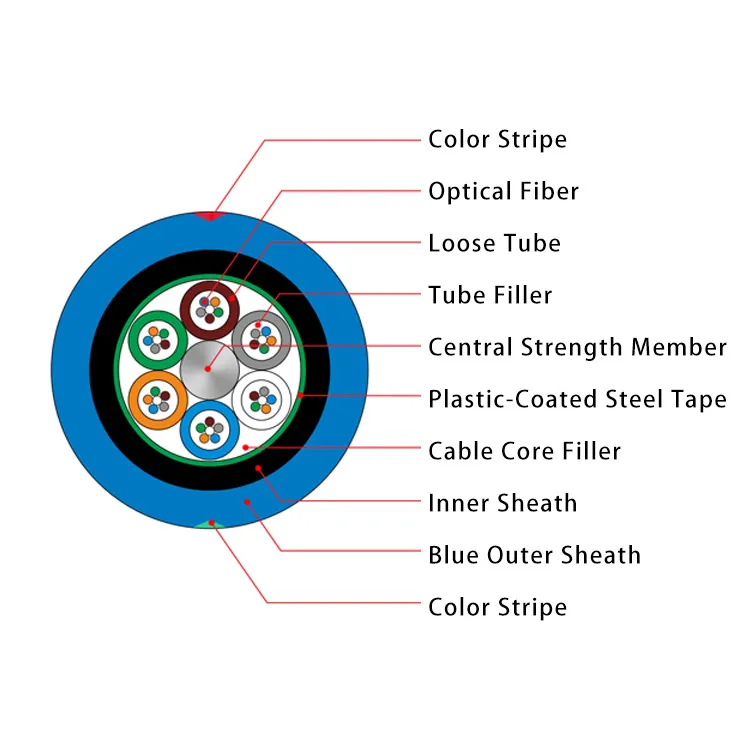
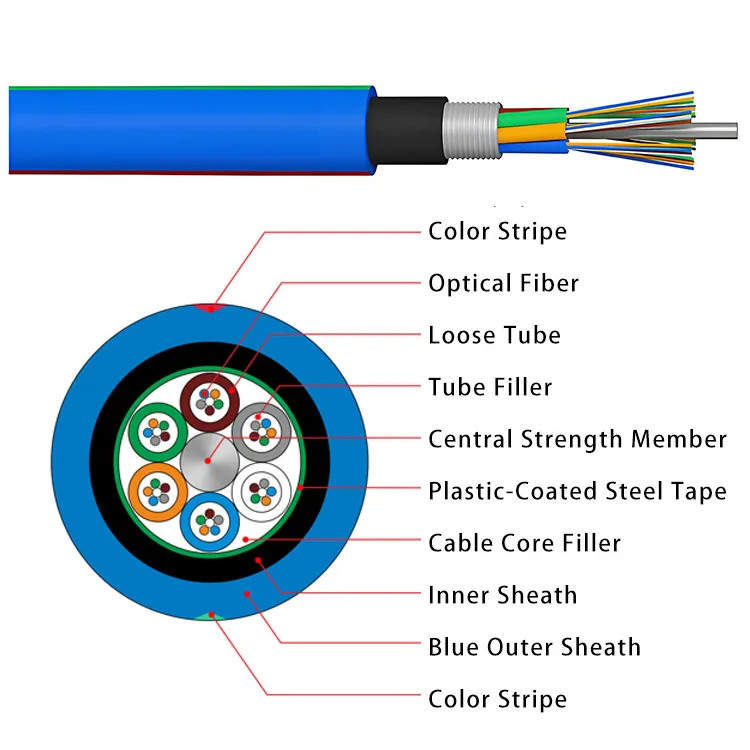
Central Strength Member - Located at the cable core center, typically a metal reinforcing core.
Loose Tubes - Stranded around the central strength member. Each tube contains optical fibers and is filled with tube filler (water-blocking compound).
Cable Core Filler - Fills the gaps between the loose tubes and the central strength member to provide longitudinal water blocking.
Plastic-Coated Steel Tape (PSP) - Longitudinally wrapped around the cable core to provide moisture resistance, crush resistance, and rodent protection.
Inner Sheath - Extruded over the steel tape, typically made of polyethylene (PE).
Blue Outer Sheath - The outermost layer made of flame-retardant blue PVC, with color stripes for identification.
MGTSV fiber optic cable Product Features
Mechanical Robustness
Excellent mechanical and temperature properties ensure stable operation under harsh conditions. Good pressure resistance protects the cable from crushing forces.
Two parallel steel wires provide high tensile strength, allowing the cable to withstand pulling during installation and mining use.
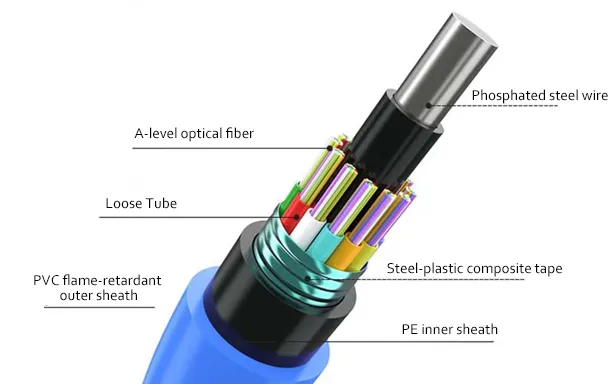
Fiber Protection Inside Loose Tubes
The loose tube material offers water resistance and high strength, keeping optical fibers safe in wet environments. Special ointment (water-blocking compound) inside the tube provides critical protection against moisture and mechanical shock.
Together, the tube and ointment prevent fiber damage and signal loss over long-term operation.
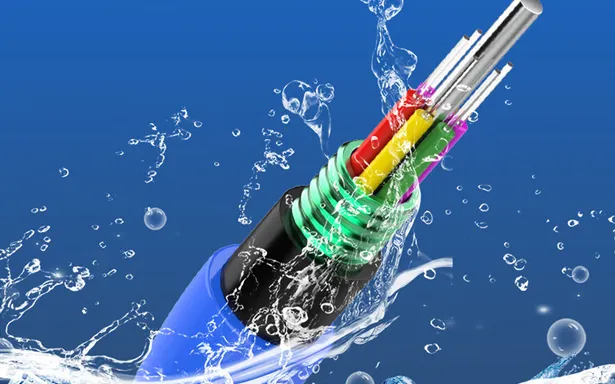
Moisture and Rodent Resistance
Double-sided plastic-coated steel strip (PSP) enhances moisture resistance and includes an anti-mouse function to prevent rodent bites. Water-blocking filler in the cable core prevents water seepage in the longitudinal direction.
This dual protection ensures reliable performance even in underground mines or outdoor damp environments.
Flame Retardancy
The blue flame-retardant PVC secondary sheath delivers excellent flame retardant effect. It meets coal mine safety standards (MT386-1995) by resisting fire propagation and reducing smoke.
This outer sheath is a key safety feature for underground mining and other high-risk installations.

Engineering Applications MGTSV fiber optic cable
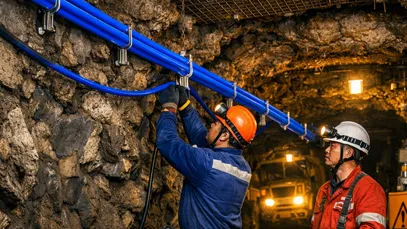
Underground Cable Installation
Inside the mine tunnel, the blue MGTSV mining fiber optic cable is neatly mounted along the ceiling while workers in safety gear secure it under dim lighting.
The damp rock walls and miners’ headlamps highlight the demanding yet precise process of underground communication line installation.
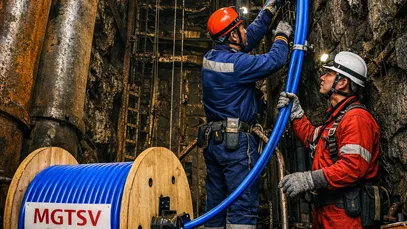
Vertical Shaft Deployment
The blue MGTSV cable runs vertically along the shaft wall, with workers using harnesses and clamps to fix it from metal platforms.
Industrial pipes and lift equipment surround the scene, emphasizing the complexity and safety of vertical cable installation in confined spaces.
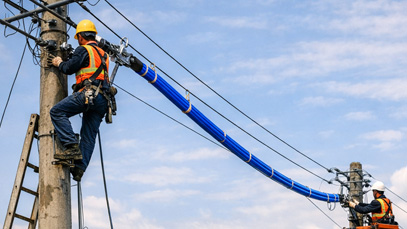
Inter-Building Cable Setup
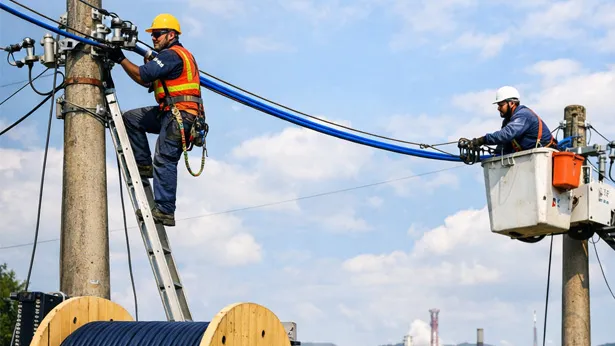
The blue MGTSV cable stretches between two buildings, where workers on rooftops adjust tension and secure the line.
The urban skyline and clear sky frame the operation, showcasing efficient deployment of modern communication networks across city structures.
Shipping & Packaging
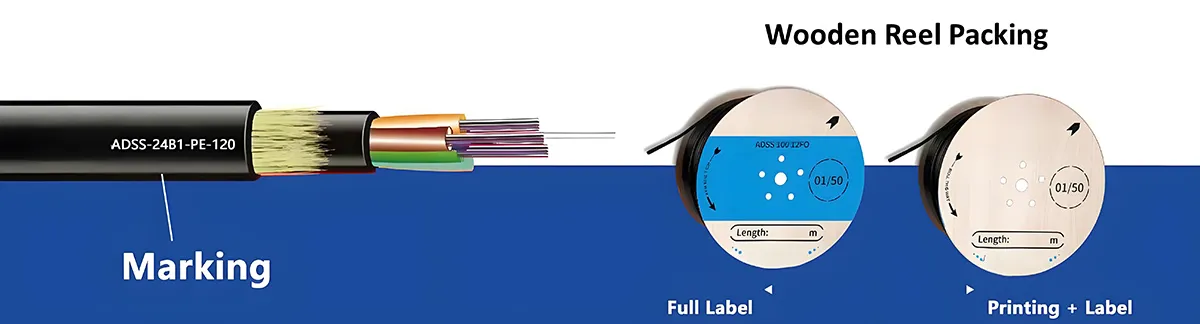
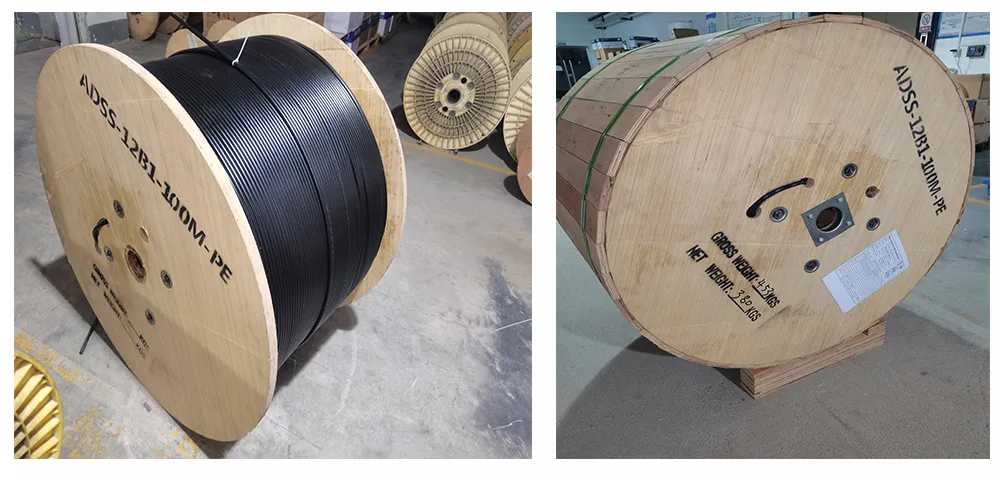
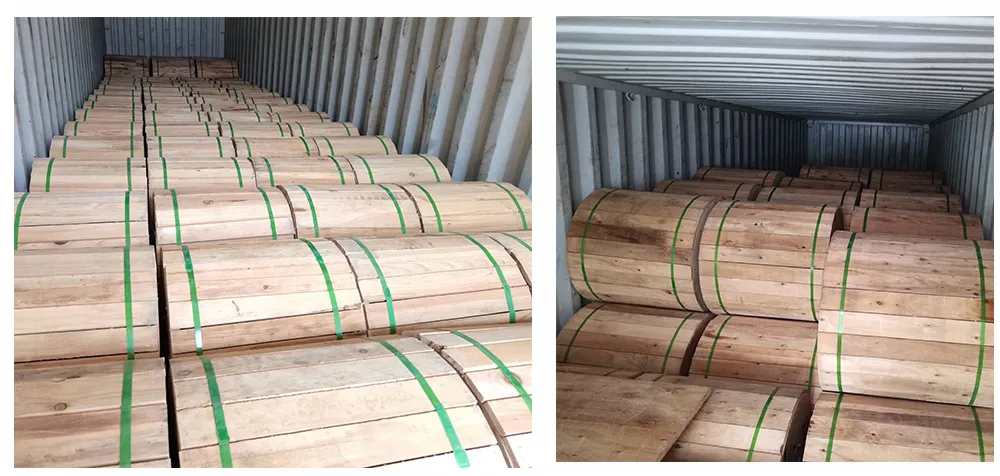
Packaging Requirements:
1:All cables shall be wound on treated wooden spools that are not returnable
2:Cable ends must be firmly secured to the spool and protected with waterproof shrink caps
3:Each spool must include:
1、 Protective plastic wrapping layer
2、 Reinforcing wooden slats for stability
3、 Minimum 1m of free cable end for testing purposes
4、 Standard spool length: 3000mm (±2% tolerance allowed)
Cable Identification:
The outer jacket must display:
1、Unique sequential numbering every 1m (±1% variance permitted)
2、 Additional repeating markings at 1m intervals showing:
1、 Product code and fiber count
2、 Manufacturer identification
3、 Production date (month/year)
4、Total cable length
Standard Packaging Dimensions:
| Length | Container | Size (L×W×H) | Net Mass | Total Mass |
|---|---|---|---|---|
| 2 km | Wood spool | 90×75×90 cm | 156 kg | 220 kg |
| 3 km | Wood spool | 100×68×100 cm | 240 kg | 280 kg |
| 4 km | Wood spool | 109×75×109 cm | 300 kg | 368 kg |
| 5 km | Wood spool | 129×72×129 cm | 400 kg | 480 kg |
Technical Reference:
1、 Standard cable diameter: 10.0mm
2、Maximum span distance: 100m
3、Contact sales team for complete technical specifications
Spool Marking Standards:
Permanent markings (minimum 25-30mm height) must appear on both sides of each spool:
1、 Company name and trademark
2、Contained cable length
3、Cable specifications (type/fiber count)
4、Winding orientation
5、Weight measurements (gross/net)
Note: All wooden packaging materials must undergo proper fumigation treatment prior to use.
Product Comparison:
Mining Armored Optical Cable Series Comparison: MGTSV vs MGXTSV vs MGTSV33 vs GYTA53
| Dimension | MGTSV (Mining Stranded) | MGXTSV (Mining Central Tube) | MGTSV33 (Mining Double Steel Wire Armored) | GYTA53 (Non-mining Direct Burial Armored) |
|---|---|---|---|---|
| Application Scenario | Mining main trunk lines, ring networks, moderate mechanical stress environments | Mining branch lines, short-distance installation, high electromagnetic interference areas | Mining shafts, inclined shafts, high-stress roof areas, heavy load and tensile resistance required | Outdoor direct burial, duct, underwater, non-flammable/explosive environments |
| Structure | Central strength member + stranded loose tubes + PSP longitudinal armor + blue flame-retardant PVC sheath | Single central loose tube + 2 parallel steel wires + PSP armor + blue flame-retardant PVC sheath | Double steel wire armor added on top of MGTSV | Central strength member + stranded loose tubes + APL aluminum tape + PSP steel tape + black PE sheath |
| Fiber Count | 2-216 cores | 2-12 cores | 2-144 cores | 2-144 cores |
| Tensile Strength (Short-term) | 1500N | 1500N (corrected) | ≥8000N | ≥3000N |
| Crush Resistance (Short-term) | 1000N/100mm | 1000N/100mm (corrected) | ≥10000N/100mm | ≥3000N/100mm |
| Flame Retardant Certification | MT386-1995 mining flame retardant, blue sheath mandatory | MT386-1995 mining flame retardant, blue sheath | MT386-1995 mining flame retardant, blue sheath | No mining flame retardant requirement (standard PE sheath) |
| Water/Moisture Protection | Full cross-section water blocking (gel + filler + PSP) | Full cross-section water blocking | Full cross-section water blocking + wire armor gap sealing | Dual moisture barrier (APL + PSP), suitable for high water table environments |
| Cost Level | Medium | Lower | Very High | Medium to High |
MGTSV fiber optic cable Selection Guide
Installation of ASU Fiber Optic Cable
YRTFIBER delivers superior GYTS fiber
Experts are available to give assistance
Download YRTFIBER Product Catalog
Factory Real Shot
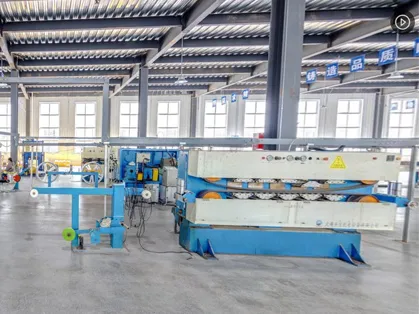
Factory production workshop
The workshop is equipped with multiple tandem production lines, completing the entire process from fiber coloring to double-layer sheathing in one go.
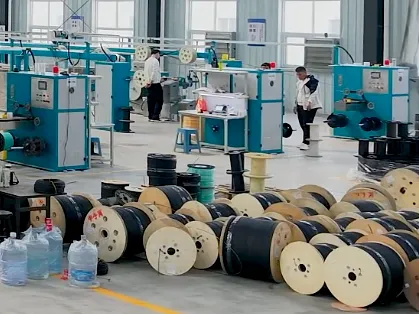
Stable raw material supply
A dual-supplier strategy is adopted for key materials such as steel strip, PE sheath material, and water-blocking compounds to mitigate the risk of supply disruptions.
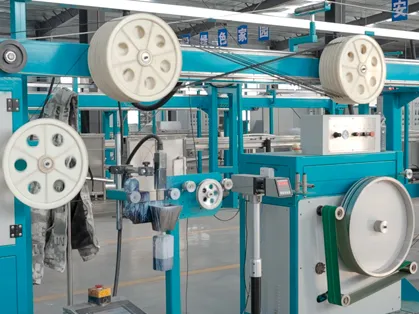
Stable production capacity
Production plans are scheduled weekly, and reserved capacity can be activated for urgent orders, with delivery time fluctuations not exceeding 3 days.
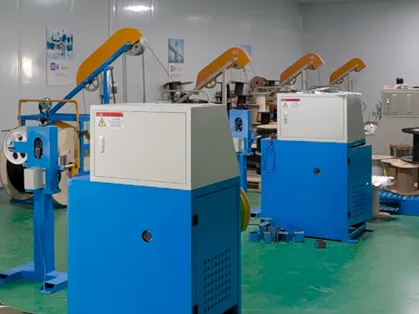
Customizable flexible production line
The production line supports non-standard outer diameters, water-blocking methods (dry/semi-dry), and special steel strip overlap requirements. Minimum order quantity for small-batch customized orders is as low as 5 kilometers, with changeover time controlled within 2 hours.
Frequently Asked Questions & Quick Inquiry
MGTSV fiber optic cable FAQ
Q1: What does MGTSV stand for?
MGTSV is a designated model for mining flame-retardant communication cables. The letters break down as follows:
M : stands for coal mine specific (mining-specific), G stands for optical fiber cable (communication),
T : indicates a Fill-type structure(water-blocking filled structure),
S : represents steel tape armor (double-sided coated steel strip)
V : denotes the blue flame-retardant PVC outer sheath. This naming convention helps users identify the cable's construction and intended application at a glance.
Q2: What is the difference between MGTSV and MGTS?
Although both are mining flame-retardant optical cables with a similar stranded loose tube construction (multiple loose tubes stranded around a central strength member), the key difference lies in the sheathing. MGTSV has a dual-layer sheath: a black PE inner sheath plus a blue flame-retardant PVC outer sheath. MGTS, by contrast, uses a single LSZH (Low Smoke Zero Halogen) sheath, which produces less toxic smoke in a fire but costs more. MGTSV is the standard certified model for coal mine applications; MGTS emerged later as a variant for users with higher environmental requirements.
Q3: What are the key installation requirements for MGTSV?
Proper installation is critical to avoid permanent damage. The pulling tension during laying should be controlled within 600N–1500N, and only the strength member and armor layers should bear the pulling force—never pull directly on the outer sheath or optical fibers. The minimum bending radius must be ≥20 times the cable's outer diameter during installation and ≥12.5 times during operation. Cables should be suspended with mine-approved flame-retardant hooks spaced 0.8–1.0m apart, maintaining a distance of at least 30cm from high-voltage power cables. Short-term crush resistance is 3000N/100mm, while long-term crush resistance is 1000N/100mm. Before installation, always verify the MA certification mark and ensure the cable type and fiber count match the project specifications.
Q4: How do I select the right MGTSV cable for my mine?
Fiber count is the primary factor: 4–12 cores are generally adequate for distances under 5km for monitoring and communication; for longer runs exceeding 5km, 24 cores or more are recommended to provide redundant links. The cable supports fiber counts from 2 to 144 cores, with a working temperature range of -40℃ to +60℃ and an IP67 protection rating. For wet environments, water-blocking MGTSV variants (e.g., MGTSV-33) are preferred; for areas with high impact risks, double-layer armored constructions offer superior protection. Always check that the product holds valid MA/KC mining safety certification.
Q5: What is the price range and where can I buy MGTSV?
MGTSV cable is typically sold in lengths starting from 1.000 meters (MOQ) at prices ranging from approximately US0.014toUS0.014toUS2.00 per meter, depending on fiber count, construction, and order volume. For example, a 12-core MGTSV is priced around $9.35 per unit in the Chinese domestic market. MGTSV costs about 30%–50% more than standard optical cables, but its service life can be three times longer, significantly reducing long-term maintenance expenses. Suppliers can be found via major B2B platforms such as Made-in-China, Alibaba, and specialized cable manufacturers, many of which offer direct factory pricing.
Send Your Inquiry
Fill out the form below and we'll get back to you within 24 hours.


